What Is Functional Training? Benefits, Exercises and Who It Is For
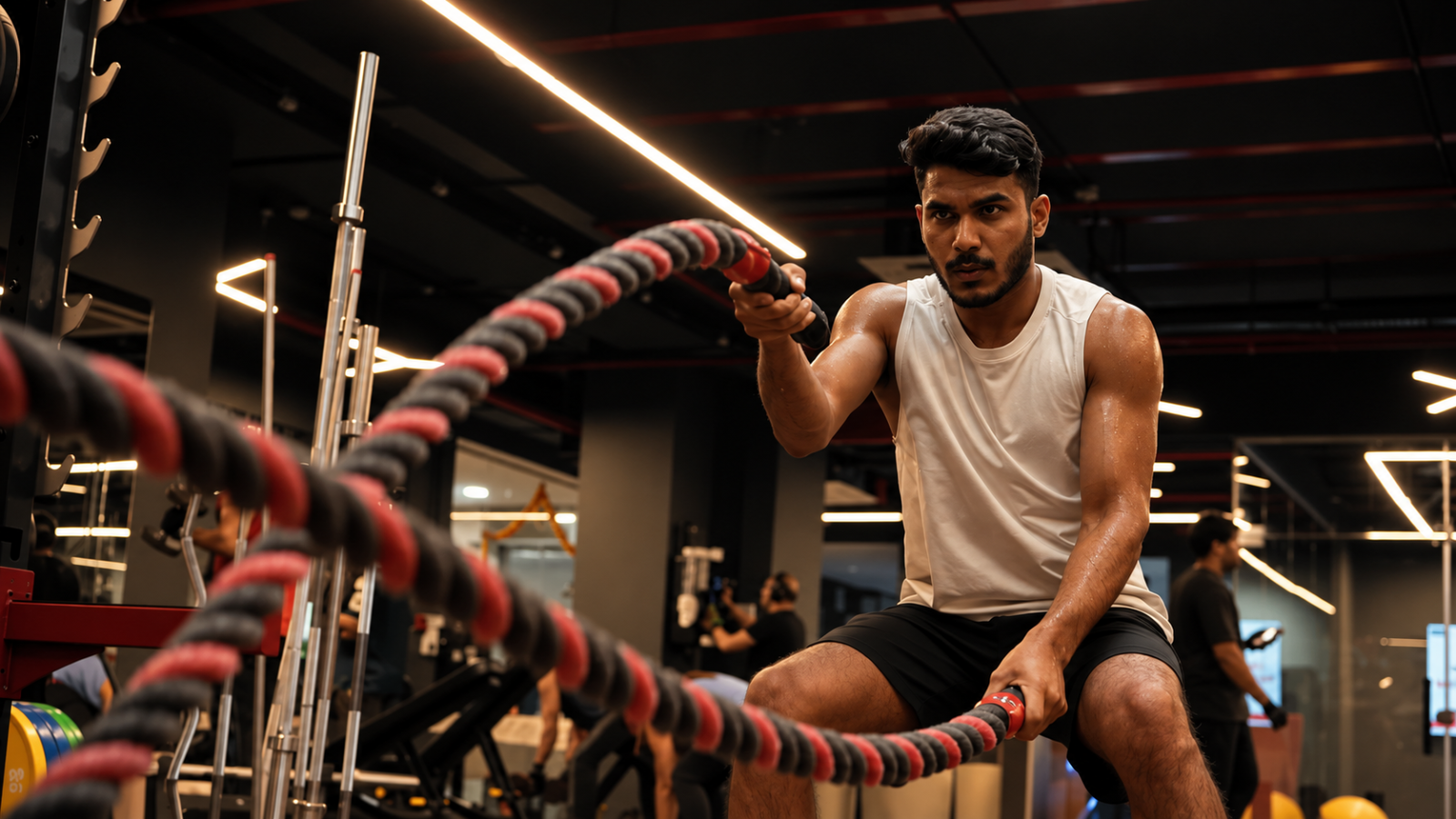
What exactly is functional training, and how is it different from traditional gym workouts? Learn about the movement patterns it develops, common exercises, practical benefits and how to decide whether it belongs in your fitness routine.
Fitness doesn't always have to mean lifting heavier weights or spending more time on a treadmill.
Sometimes, it means becoming more comfortable with the movements you perform every day: bending, carrying, reaching, stepping, pushing and pulling.
Functional training focuses on movements that develop physical capabilities useful for everyday activities and other forms of exercise.
It has become a common part of many fitness routines, but what does it actually involve? And how is it different from traditional strength training?
Let's break it down.
What is functional training?
Functional training is an approach to exercise that develops movement skills and physical capacities relevant to real-world activities or specific tasks.
Depending on the programme, it may involve movements such as squatting, lunging, carrying, pushing, pulling, rotating and maintaining balance.
Exercises can use body weight, dumbbells, kettlebells, resistance bands, cables or other equipment.
The defining feature is not a particular machine or piece of equipment. It is how the exercises are selected and organised to support the person's goals.
For one person, functional training might focus on improving general movement confidence. For another, it might support recreational sports or complement a strength programme.
What are the benefits of functional training?
1. Practise useful movement patterns
Everyday activities involve combinations of movements.
Picking up an object from the floor involves bending and lifting. Carrying shopping involves gripping and supporting a load. Climbing stairs involves coordinated movement of the lower body.
Functional training can include exercises that practise similar movement patterns under controlled conditions.
The goal is to develop physical capacity and movement confidence, not to claim that one exercise automatically prevents injuries or makes every daily activity effortless.
2. Develop strength and coordination
Many functional exercises require you to coordinate several body parts while controlling resistance or maintaining balance.
For example, a loaded carry involves holding weight while walking with a controlled posture. A lunge requires coordination and control as you move through a split stance.
These exercises can complement more traditional strength work, which often focuses on developing force in particular movements or muscle groups.
3. Add variety to your routine
Doing the same type of workout all the time can become repetitive.
Functional training provides another way to challenge your body by combining different movement patterns, equipment and exercise formats.
Variety can make training more engaging, provided it doesn't come at the expense of appropriate progression and good technique.
4. Adapt exercise to different abilities
Functional training is not exclusively for athletes or advanced gym-goers.
A movement can often be made easier or more challenging by changing the resistance, range of motion, support, speed or complexity.
For example, someone learning a squat pattern might begin with a supported variation before progressing to a more demanding exercise.
The right starting point depends on the individual's experience, physical ability and goals.
Common functional training exercises
Here are some examples of exercises that may feature in a functional training programme.
Squats
Squats involve bending at the hips and knees before returning to a standing position.
They can help develop lower-body strength and practise a movement pattern used in activities such as sitting down and standing up.
Lunges
Lunges involve stepping into a split stance and bending the legs under control.
They can challenge lower-body strength, balance and coordination. Variations can be adjusted to suit different experience levels.
Farmer's carries
This exercise involves carrying weights while walking.
It challenges grip, trunk control and the ability to move while supporting a load. The distance and weight should suit the person performing it.
Step-ups
Step-ups involve stepping onto a raised platform and returning to the starting position.
The exercise can challenge lower-body strength and coordination. The height of the platform and amount of resistance should be selected appropriately.
Resistance-band rows
Rows involve pulling resistance towards the body.
They can be performed with different equipment and are commonly used to train the muscles involved in pulling movements.
Core stability exercises
Exercises such as suitable plank variations challenge your ability to control the trunk while maintaining a position.
The appropriate variation depends on your current strength and ability.
These are examples, not a complete programme. Exercise selection and technique should be adjusted to the person.
Functional training versus traditional strength training
The two approaches are not opposites.
Traditional strength training often uses exercises selected to develop muscular strength and size through planned resistance and progression.
Functional training places particular emphasis on movement patterns and physical tasks relevant to the person's goals.
There is considerable overlap. Squats, rows and loaded carries can all be part of a strength programme and a functional training programme.
The difference often lies in the purpose of the programme, the exercises selected and how they are combined.
You do not have to abandon strength training to benefit from functional exercises.
Is functional training suitable for beginners?
It can be, provided the programme matches your ability.
Beginners should focus on learning movement patterns, controlling the exercises and using manageable resistance before adding complexity.
You do not need to start with fast-paced circuits, heavy weights or complicated movements.
If an exercise feels uncomfortable or you are unsure whether it is suitable, ask a qualified fitness professional for guidance. If you have an injury or relevant medical concern, obtain appropriate professional advice before proceeding.
How often should you do functional training?
There is no single schedule that suits everyone.
Your routine should account for your goals, other workouts, current fitness and recovery.
Some people include functional exercises within their regular strength sessions. Others attend dedicated functional training classes or use them as part of a broader fitness programme.
Start with a manageable amount of training and adjust as you become more experienced.
The most useful programme is one that complements your other activities rather than adding unnecessary fatigue.
Functional training at Coreo, Balewadi
Coreo Gym in Balewadi, Pune, offers functional training alongside strength training, group workouts, Zumba and yoga.
Functional training can provide an additional way to develop movement skills and build variety into your routine.
If you are new to this approach, explore the available training options and discuss your goals before deciding which exercises or sessions are appropriate for you.
Final thoughts
Functional training is not a secret workout or a replacement for every other form of exercise.
It is an approach that uses movement-focused exercises to develop physical abilities relevant to your goals.
When combined with suitable resistance, sensible progression and consistent practice, it can complement a well-rounded fitness routine.
Curious about functional training? Book a free trial at Coreo in Balewadi, Pune, and explore the training options available.
Frequently asked questions
Is functional training the same as strength training?
Not exactly, although they overlap. Functional training emphasises movement patterns and practical tasks, while strength training often focuses more directly on developing muscular strength. Many exercises can serve both purposes.
Can beginners do functional training?
Yes, when the exercises and resistance are appropriate for their current ability. Beginners should learn basic movements before progressing to more challenging variations.
Does functional training require special equipment?
No. Some exercises use body weight, while others use dumbbells, kettlebells, bands, cables or other equipment.
Can functional training help with sports?
It can develop relevant physical qualities, depending on the programme. Sports performance also depends on sport-specific practice, technique, conditioning and other factors.