Yoga for Beginners: What to Expect from Your First Yoga Class
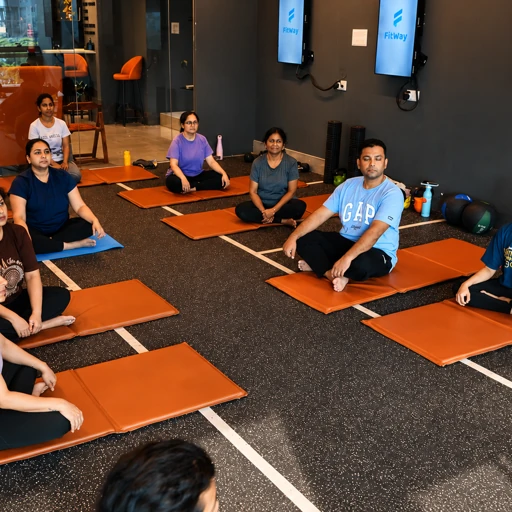
Thinking about trying yoga but unsure where to begin? Learn what happens in a beginner-friendly yoga class, what to wear, how to prepare and how yoga can fit into your wider fitness routine.
You've probably considered trying yoga at some point.
Perhaps you want to improve your flexibility, explore a different kind of physical activity or simply make some time in your week to slow down.
But if you've never attended a class, it's natural to have questions.
Do you need to be flexible? Will everyone else know what they're doing? What should you wear? And what happens if you cannot perform a particular pose?
The good news is that you do not need previous experience to begin. A suitable beginner class gives you an opportunity to learn gradually and become familiar with the practice.
Here's what to expect.
What is yoga?
Yoga is a practice that can combine physical postures, breathing techniques and attention to the present moment.
Different yoga styles have different approaches. Some emphasise flowing sequences, while others place more focus on holding postures, controlled movement or relaxation.
Hatha yoga is a broad tradition that includes physical postures and breathing practices. The exact format and pace vary between classes and instructors.
For beginners, the most important thing is to choose a class that matches your experience and comfort level.
Do you need to be flexible to start yoga?
No.
One of the biggest misconceptions about yoga is that you must already be flexible before attending a class.
Flexibility varies between individuals, and it is not a requirement for beginning yoga.
A suitable instructor can offer modifications or alternatives when a posture is difficult. You may also use appropriate props or adjust the range of motion to suit your current ability.
Your first class is an opportunity to learn, not a test of how far you can stretch.
Avoid forcing a posture or comparing your range of motion with another participant. Work within a comfortable range and ask for guidance when needed.
What happens during a beginner yoga class?
The structure depends on the instructor and the type of class, but a session may include several elements.
1. Settling in
A class may begin with a few moments to settle into the space and become aware of your breathing.
This provides a transition from the pace of your day into the practice.
2. Gentle warm-up movements
The instructor may guide you through simple movements that prepare you for the postures to come.
The aim is to begin gradually rather than immediately attempting difficult positions.
3. Practising yoga postures
You may work through a series of standing, seated or floor-based postures.
The instructor will typically demonstrate or explain how to enter and leave each position. Some postures challenge balance, while others involve controlled movement or comfortable stretching.
Do not worry about remembering every instruction. Focus on one movement at a time.
4. Breathing and awareness
Depending on the class, you may practise paying attention to your breathing or following simple breathing instructions.
Avoid forcing your breath or holding it unnecessarily. If an instruction makes you uncomfortable, return to natural breathing and ask the instructor for guidance.
5. Relaxation
Some classes finish with a period of rest or relaxation.
This gives you a chance to settle after the physical practice before returning to your day.
Not every class follows exactly the same sequence, so ask the instructor what to expect if you are unsure.
What should you wear to yoga?
Choose comfortable clothing that allows you to move freely without constantly needing adjustment.
You generally do not need specialised clothing to begin. The important thing is that you can bend, stretch and change positions comfortably.
If the class uses mats or other equipment, check whether these are provided or whether you should bring your own.
Arriving a little early can give you time to settle in, arrange your space and let the instructor know that you are new.
What are the potential benefits of yoga?
The effects of yoga depend on the style, frequency, individual and other factors. Regular practice may support several aspects of physical and mental wellbeing.
Flexibility and range of motion
Some yoga postures involve moving joints through controlled ranges of motion and holding comfortable stretches.
Regular practice may help improve flexibility for some people, although results vary.
Balance and body awareness
Certain postures require you to control your position and coordinate movement.
Practising these movements can help develop balance and awareness of how your body moves.
A different pace of exercise
Yoga can provide an alternative to more intense or resistance-focused workouts.
Some people enjoy having a session that emphasises controlled movement, breathing and attention rather than lifting weights or completing a fast-paced circuit.
A mindful break
Focusing on movement and breathing can offer a structured break from everyday distractions.
Yoga should not be treated as a guaranteed solution for stress or a substitute for appropriate mental healthcare when needed. However, some people find the practice a useful part of their wellbeing routine.
Can you combine yoga with gym training?
Yes. Yoga and gym training can complement each other when planned sensibly.
For example, someone who performs strength training several times a week might include yoga as another form of movement.
The balance depends on the demands of your existing workouts, your goals and how you recover.
You do not need to use yoga to compensate for every workout or treat it as a mandatory part of a fitness programme. It can simply be another activity you enjoy.
Common beginner mistakes to avoid
Trying to match everyone else. People have different levels of experience, balance and flexibility.
Forcing a stretch. Move within a comfortable range rather than pushing into pain.
Expecting immediate results. Familiarity and comfort often develop through regular practice.
Holding your breath unnecessarily. Follow the instructor's guidance while staying comfortable.
Choosing a class that does not suit your experience. Ask about the style, pace and available modifications before attending.
If you have an injury, balance difficulties or a relevant medical condition, seek appropriate professional advice about which movements are suitable for you.
Exploring yoga at Coreo, Balewadi
Coreo Gym in Balewadi, Pune, offers yoga as part of its wider range of training options.
If you are new to yoga, ask about the available class schedule, format and suitability for beginners before attending.
Yoga can sit alongside other options at Coreo, including strength training, functional training and group workouts, allowing you to explore different approaches to physical activity.
Final thoughts
You don't need to be flexible, experienced or particularly athletic to begin yoga.
Start with a suitable class, listen to your body and allow yourself time to learn the postures and movements.
The best first class is not the one where you perform every pose perfectly. It is the one that gives you a comfortable introduction and encourages you to explore the practice at your own pace.
Ready to try something different in your fitness routine? Contact Coreo in Balewadi to ask about available yoga classes and book a free trial.
Frequently asked questions
Can beginners do Hatha yoga?
Many Hatha classes can be suitable for beginners, but the pace and difficulty vary. Ask the instructor about the class format before attending.
How often should a beginner practise yoga?
Start with a schedule that fits comfortably into your week. You can adjust the frequency as you become more familiar with the practice.
Do I need to buy a yoga mat?
Not necessarily. Check whether your chosen facility provides mats or requires you to bring one.
Can yoga replace strength training?
Yoga and strength training serve overlapping but different purposes. Whether you need dedicated resistance training depends on your goals and overall exercise routine.