Zumba for Beginners: What to Expect and How to Get Started
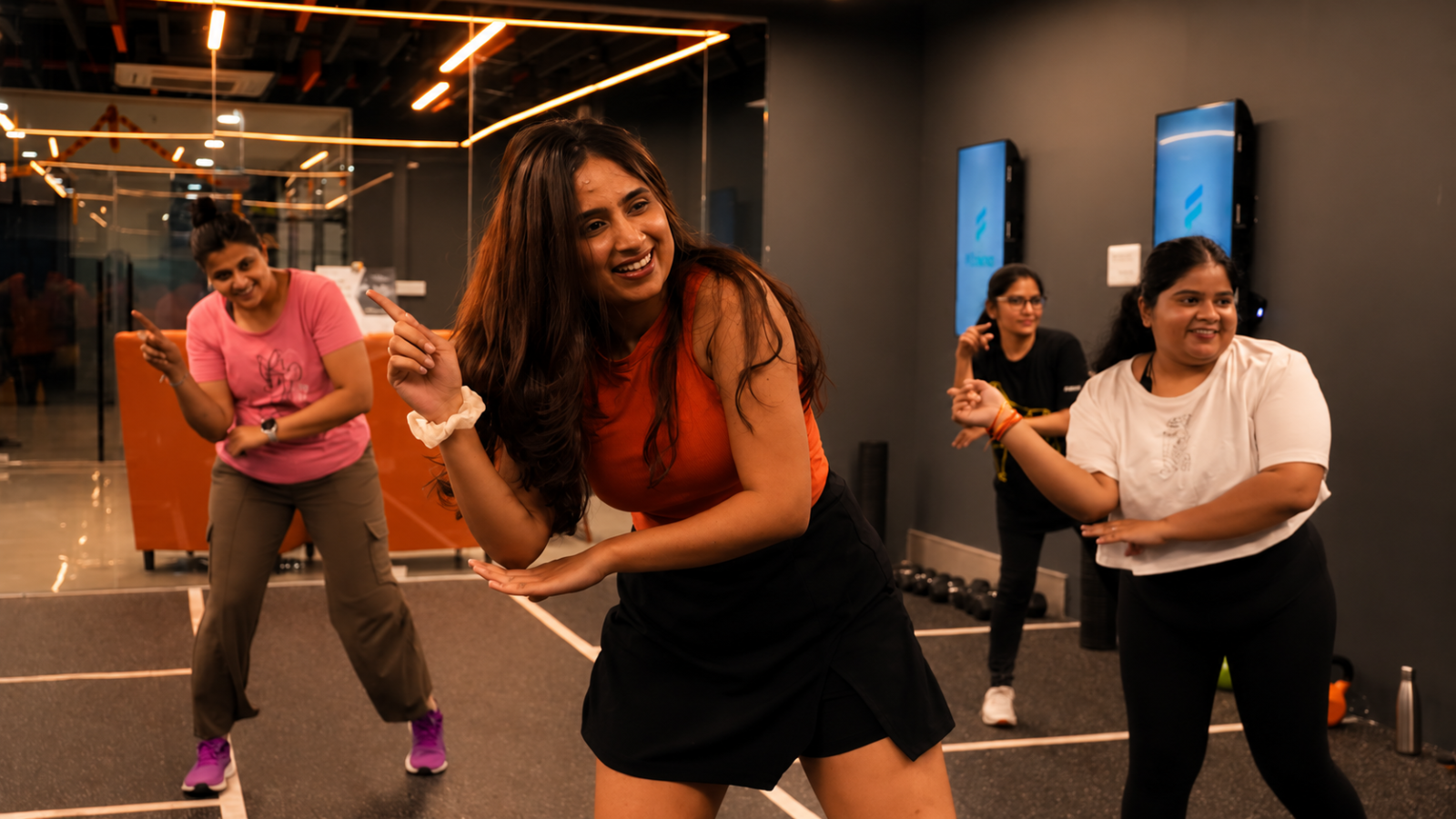
Curious about Zumba but worried you won't know the steps? Find out how a beginner can approach dance fitness, what to wear, how to prepare and why enjoying your workout can make a difference to consistency.
Not everyone enjoys spending an hour lifting weights or following a conventional gym routine.
Some people would rather move to music, learn a few dance steps and finish a workout feeling energised.
That's where dance fitness can offer a different experience.
Zumba combines dance-inspired movements with a structured fitness session. It can be an enjoyable option for people who prefer music, movement and a shared class environment.
If you're considering your first Zumba class, here's what to know before you join.
What is Zumba?
Zumba is a branded dance fitness programme that combines music with choreographed movements.
The format varies between classes, but sessions commonly involve following an instructor through a sequence of dance-inspired steps and repeated movement patterns.
You don't need to be a trained dancer to participate.
The purpose is to take part in the workout at a level appropriate for your ability, rather than perform every movement perfectly.
If you're unfamiliar with the steps, focus on following the general movement and gradually becoming more comfortable.
Do you need dance experience to try Zumba?
No previous dance experience is required to begin a suitable beginner-friendly class.
You may not recognise every step during your first session, and that's completely normal.
Instead of trying to copy every movement immediately, pay attention to the instructor's demonstrations and focus on the basic pattern.
It often becomes easier to follow a routine after you have repeated it a few times.
Remember that the class is a fitness activity, not an audition. You do not need to be the most coordinated person in the room to enjoy participating.
What happens during a Zumba class?
The exact structure depends on the instructor, but a typical session may include several stages.
1. Getting warmed up
The session may begin with movements that gradually increase activity and prepare you for the workout.
Start at a comfortable pace and follow the instructor's guidance.
2. Following the music
The instructor introduces dance-inspired movements that follow the rhythm of the music.
Some sequences may repeat, allowing you to become familiar with the steps.
You do not need to memorise everything at once. Focus on the overall movement and keep going at a comfortable pace.
3. Building up the workout
As the session continues, the movements may vary in speed and intensity.
You can adjust your effort by choosing smaller movements, reducing the range of motion or taking a break when necessary.
Your goal should be to participate safely and enjoy the experience rather than match everyone else's intensity.
4. Cooling down
A session may finish with slower movements or a cool-down period.
Follow the instructor's directions and allow yourself time to settle before leaving.
What should you wear to Zumba?
Choose comfortable workout clothing that allows you to move freely.
Wear supportive footwear appropriate for the floor and movements involved. If you have concerns about footwear, balance or joint discomfort, ask the instructor for guidance before participating.
Bring water and arrive a little early so you can get comfortable with the space.
You generally do not need dance-specific clothing or equipment to try a beginner class.
What are the potential benefits of dance fitness?
Zumba is a form of physical activity, and its benefits depend on the class intensity, duration, your participation and your individual circumstances.
It can make exercise enjoyable
Enjoyment matters when you're trying to build a consistent routine.
If music and movement make you look forward to a workout, dance fitness may be an appealing option.
It gets you moving
A Zumba session involves repeated movement and can contribute to your overall physical activity.
The amount of energy you use varies by person and class, so avoid assuming that every session burns a fixed number of calories.
It offers a change from conventional workouts
Dance fitness provides a different experience from resistance training or exercising independently on gym equipment.
It can add variety to your weekly routine if you enjoy the format.
It creates a shared experience
Taking part in a scheduled class can make exercise feel more social.
For some people, the group environment also helps establish a routine because there is a particular time and place to attend.
Is Zumba suitable for weight management?
Dance fitness can contribute to the physical activity component of a weight-management plan.
However, weight change depends on multiple factors, including overall food intake, activity levels, sleep, health and individual circumstances.
No single class guarantees weight loss, and calorie expenditure varies considerably.
If weight management is your goal, focus on a sustainable combination of physical activity, suitable nutrition and habits you can maintain over time.
How to get more comfortable in your first class
Arrive early. Give yourself time to settle into the room and introduce yourself to the instructor.
Stand where you can see clearly. A good view can make it easier to follow demonstrations.
Focus on the basics. You don't have to copy every arm movement or footstep perfectly.
Adjust the intensity. Take breaks or use smaller movements when needed.
Avoid comparing yourself with experienced participants. They have had more time to learn the routines.
Attend consistently if you enjoy it. Familiarity with repeated movements can make later sessions feel more comfortable.
If you have an injury, a relevant medical condition or concerns about high-intensity activity, check with an appropriate healthcare professional before starting.
Zumba as part of a broader fitness routine
Zumba can be one part of a varied exercise schedule.
Depending on your goals, you might combine dance fitness with strength training, walking, functional training or other suitable activities.
You do not need to do everything in the same session. Choose a weekly schedule that fits your time, fitness level and recovery needs.
The most effective routine is not necessarily the most complicated one. It is the one you can perform consistently and safely.
Exploring Zumba at Coreo, Balewadi
Coreo Gym in Balewadi, Pune, offers Zumba alongside strength training, functional training, group workouts and yoga.
If you are interested in dance fitness, ask about the current Zumba schedule, class format and availability before planning your visit.
You can use a trial visit to understand the environment and decide whether the class fits your preferences.
Final thoughts
You don't need to be a dancer to try Zumba.
Start with a suitable class, focus on following the basic movements and give yourself time to become familiar with the format.
If you enjoy moving to music and exercising alongside others, dance fitness may be a useful addition to your routine.
Want to try Zumba in Balewadi, Pune? Contact Coreo to ask about upcoming classes and arrange a free trial.
Frequently asked questions
Is Zumba suitable for beginners?
A beginner-friendly class can be a good starting point. Ask about the pace and intensity before attending, and adjust movements to your ability.
Do I need to know how to dance?
No. You can learn the movements gradually by following the instructor and repeating the basic steps.
Can Zumba replace gym workouts?
It can contribute to your physical activity, but whether it meets your needs depends on your goals. You may want to combine it with resistance training and other activities.
How many times a week should I attend Zumba?
That depends on your fitness level, schedule and other exercise. Start with a manageable frequency and build gradually if you feel comfortable