Being Checked In Is Different from Being Checked On: Making Coaching Attention Visible
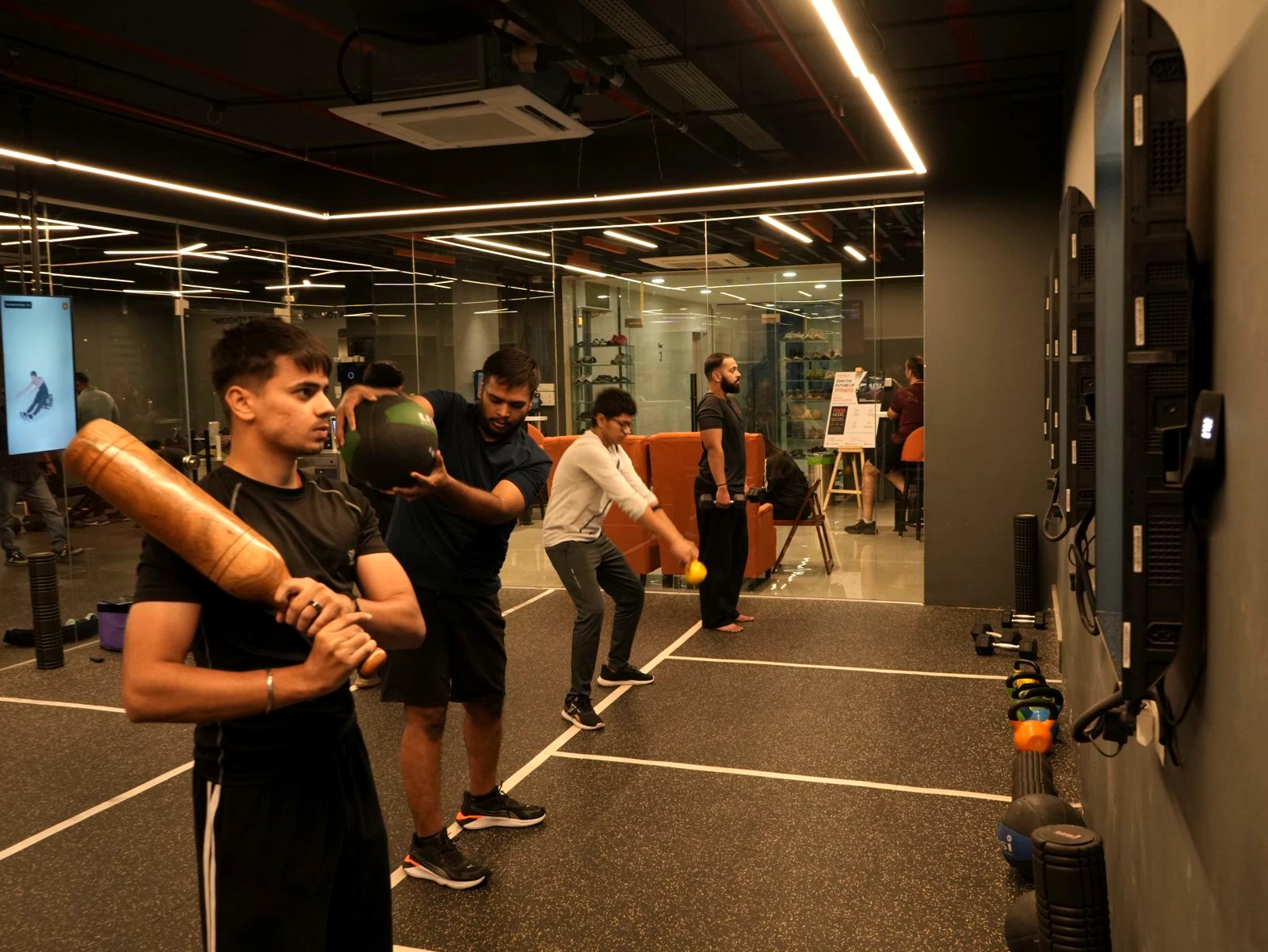
Explore why gym attendance and coaching attention are different, and how FitWay’s attention flags can prompt a human review of member support.
A member can visit the gym regularly and still have a question that has not been answered. An attendance record shows that someone entered; it does not show whether they understand their plan or know how to ask for help.
That distinction matters to the way we think about gym operations. FitWay includes automatic coaching-attention flags designed to help identify members who may need attention. The flag is a prompt for review, not proof of what a member has experienced.
The exact trigger rules have not been specified in our discussions, so this article does not attach an invented review deadline or guaranteed contact schedule to them.
Attendance and support answer different questions
“Did this person visit?” and “Has this person received useful guidance?” are both worth asking. Neither answer can substitute for the other.
A regular member might be comfortable training independently. Another regular member might be repeating a routine because they do not know what to discuss next. Counting visits would not distinguish those situations.
That is why a support conversation needs to begin with questions rather than an assumption that every flagged member needs the same intervention.
What an attention prompt should lead to
A team member can review the available information and ask what the member needs. That might involve explaining how to approach an available floor coach, discussing whether a progress conversation is useful or clarifying the support included in a membership.
The next step should match the request. A quick equipment question and a dedicated personal training programme require different amounts and types of attention.
Technology can make a potential gap visible. It cannot determine the quality of a conversation simply because an interaction has been recorded.
Do not make members wait for a flag
For members, the practical advice is straightforward: if you need help, ask. You do not need to know whether an internal system has highlighted your profile.
At Coreo, the workout-floor coach display is one concrete way to find someone available to approach. If you need a longer discussion, ask the team how to arrange it and what support is included.
The purpose of attention tracking should be to support that relationship, not make help conditional on an internal score.
What we can honestly claim
The confirmed capability is automatic coaching-attention flags in FitWay. We have not measured a Coreo-specific improvement attributable to them, nor confirmed a universal response time.
Our operating principle is that membership activity and the experience of being supported deserve separate attention. A flag is useful only when people interpret it thoughtfully.
Coaching-attention questions
Does regular attendance prove that someone is receiving guidance?
No. Attendance and coaching interaction describe different parts of the experience.
Does a flag automatically book personal training?
No automatic booking has been confirmed. The team needs to understand the member’s needs first.
Where can I learn about assessments themselves?
Read Coreo’s InBody assessment guide (https://coreo.in/blogs/blog-details.php?blogId=7). This article concerns attention and follow-through rather than interpreting body composition.