What Members Don’t See: Why Coach Workload Needs More Than a Session Count
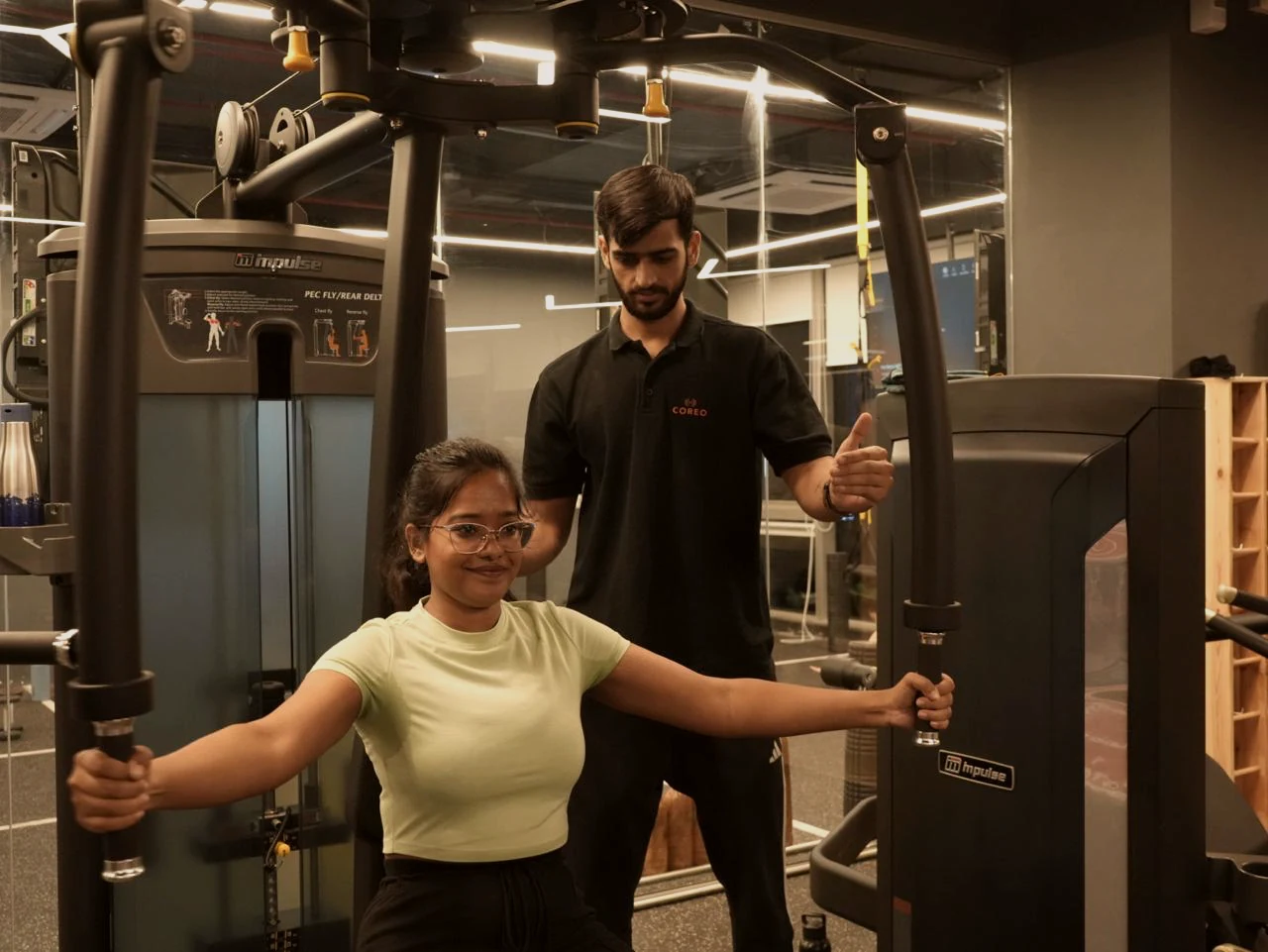
A look at coach workload reports and why gym managers need context when reviewing availability, sessions and the work behind member support.
From the workout floor, you see the parts of a coach’s day that happen near you. That is not necessarily the whole picture of their workload.
Our discussions about FitWay’s coach performance dashboard include tracking metrics to help managers understand coach activity and availability. Coach workload reports are available; automatic recommendations for redistributing work have not been confirmed.
The reports support management judgement. They do not remove the need to understand what different coaches have actually been doing.
A count needs context
Two coaches can have different session totals without that difference explaining the quality or balance of their work. Schedules, responsibilities and the nature of the work all matter when interpreting a number.
This is a reason to ask better questions, not a claim that every possible responsibility is already recorded in the software. A dashboard should be read according to the fields it actually contains.
Managers need to distinguish a reporting observation from a conclusion. “These totals differ” is an observation. “This person is underperforming” requires considerably more context.
Availability is another part of the picture
At Coreo, members can see who is available, in-session or not available on the workout-floor display. That helps with the immediate question of whom to approach.
Management reporting serves a different purpose. It can help a manager review activity across time rather than judge a coach from a single moment on the floor.
An unavailable status is not, on its own, evidence that someone is doing too little. A coach in a session is fulfilling a commitment to a member. Context protects both the usefulness of the report and the fairness of the review.
Where the human decision remains
Managers review workload reports and decide whether further discussion or changes are needed. We have not confirmed an automatic system that compares hourly footfall against coach coverage and recommends a staffing plan.
It would therefore be inaccurate to describe the dashboard as an autonomous scheduling manager. Its value is making recorded activity easier to examine.
Any decision about workload still needs to account for responsibilities, the member experience and the team’s explanation of what the figures mean.
Why members should care
Members do not need to study staff reports. They should be able to understand where help is available and how to request the kind of support they need.
Behind that experience, thoughtful management means looking beyond impressions. Reports can support that effort when the people reading them know their limits.
Workload questions
Does FitWay automatically rebalance coaches’ schedules?
The confirmed capability is workload reporting. Managers make decisions about changes.
Is the floor availability display a public performance ranking?
Its stated purpose is to show availability categories so members know whom to approach.
Does a higher session count always mean better coaching?
No. A count alone does not assess the quality or context of the work.
Related reading: Need Help on the Gym Floor? How Coreo Makes Coach Availability Clear (https://coreo.in/blogs/blog-details.php?blogId=15).