What Is an InBody Assessment? Understanding Body Composition Beyond Weight
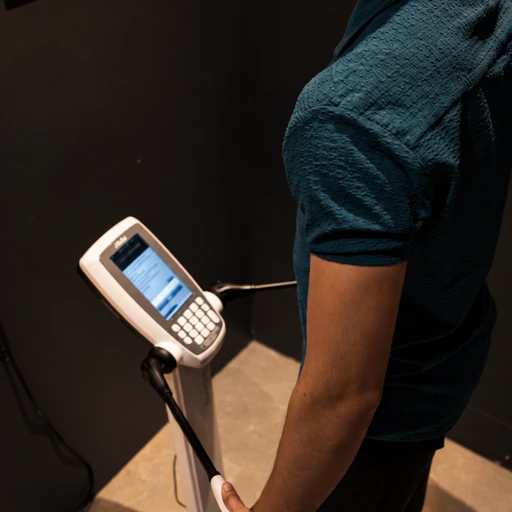
Your weight tells only part of the story. Understand what an InBody assessment measures, how body composition estimates work and how to track fitness progress without relying on a single number.
Copy intro
You step on a weighing scale and see a number.
A week later, you weigh yourself again. The number has changed, and you immediately wonder whether your workouts are working.
But body weight tells only part of the story.
Your weight can change for several reasons, including fluid levels, food intake, glycogen storage and changes in body tissue. A single reading cannot tell you exactly what has changed.
This is where body composition assessments, including InBody assessments, can provide additional information.
Here's what they are, what they can tell you and how to use the results sensibly.
What is an InBody assessment?
InBody is a brand of body composition analysis equipment. Many of its devices use a method called bioelectrical impedance analysis, or BIA.
In simple terms, the device sends a very small electrical current through the body and measures impedance. The results are used by the device's analysis system to estimate body composition.
Depending on the specific model, the report may include estimates or measurements related to:
Body weight.
Skeletal muscle mass.
Body fat mass.
Percentage of body fat.
Total body water and related fluid measures.
Other body composition indicators.
The exact information available depends on the device model.
An important distinction: these results are not all direct measurements of individual tissues. Several values are estimates derived from the device's measurements and algorithms.
Why body weight doesn't tell the whole story
Imagine two people who weigh the same.
They may have different amounts of muscle, body fat and water. Their fitness levels, training histories and health circumstances may also differ.
Similarly, one person's weight can remain relatively stable while their body composition changes over time.
This doesn't mean body weight is useless. It can be a helpful measurement when interpreted alongside other information.
The point is to avoid treating a single number as the complete picture of your progress.
What do the main results mean?
1. Skeletal muscle mass
Skeletal muscles are the muscles that help you move and perform physical activities.
An InBody report may provide an estimate of skeletal muscle mass. When followed over time under reasonably consistent measurement conditions, this can offer one additional way to monitor changes.
However, a single reading does not establish how strong you are or how well you perform in the gym. Strength is better assessed through relevant performance measures and training records.
2. Body fat mass
Body fat mass estimates the amount of fat tissue in your body.
The number should be interpreted in the context of your overall health, goals and other relevant measurements. It should not be treated as a judgement of your worth or a complete measure of fitness.
3. Body fat percentage
Body fat percentage represents the estimated proportion of body weight made up of fat.
It is different from body fat mass: the percentage depends on both the estimated fat mass and total body weight.
For that reason, a percentage can change even when the underlying measurements change by relatively small amounts.
4. Total body water
Water is an important part of the body, and hydration can influence body composition estimates.
Fluid balance can vary with exercise, food and drink intake, recent activity and other factors. This is one reason why measurement conditions matter when comparing results.
How accurate are InBody assessments?
An InBody assessment can be useful, but its results should not be treated as perfectly precise.
BIA-based estimates can be affected by hydration, recent meals, recent exercise, skin temperature and other factors. Results can also vary depending on the device and the individual's circumstances.
That means a change between two readings does not always represent an equivalent change in muscle or fat tissue.
For example, a small difference in estimated body fat between two assessments may reflect some measurement variability rather than a meaningful change in body composition.
The most sensible approach is to look at longer-term trends and consider other indicators of progress.
How to make your assessments more consistent
If you are using body composition assessments to follow your progress, try to keep the measurement conditions similar each time.
Use a consistent time of day. When practical, measure at a similar time under similar conditions.
Follow the device's instructions. The facility's recommended preparation and measurement procedure matters.
Avoid comparing unlike conditions. A reading after a demanding workout may not be directly comparable with one taken under rested conditions.
Look at trends rather than isolated results. Several readings over time are generally more informative than one assessment.
Record the context. Your training routine, activity levels and relevant changes in circumstances can help you interpret the results.
If you have a medical device or condition that may affect the safe use of electrical measurement equipment, check with an appropriate healthcare professional and follow the manufacturer's guidance before using the device.
How should you track fitness progress?
Body composition is one part of the picture.
Depending on your goals, you may also track:
Strength improvements in selected exercises.
Training consistency.
Cardiovascular endurance or work capacity.
Changes in how exercises feel.
Measurements or clothing fit, if relevant to your goals.
Energy levels and recovery.
Other indicators recommended by a qualified professional.
You do not need to track everything. Choose a small number of useful measures that help you make better decisions.
If your goal is strength, your training log may be more useful for day-to-day progress than body fat percentage. If your goal involves changes in body composition, a combination of measurements may offer a more complete picture.
How Coreo uses InBody assessments
At Coreo in Balewadi, Pune, InBody assessments are part of the available fitness assessment experience.
They can provide members with additional information to consider alongside their training routines and other progress indicators.
The purpose is to make progress easier to understand — not to reduce your fitness journey to a score or a single percentage.
Results are most useful when interpreted sensibly and used to support realistic, individual goals.
Final thoughts
Your body weight is a useful number, but it doesn't tell the entire story.
An InBody assessment can provide additional information about estimated body composition. Its results have limitations, and they are best interpreted alongside training records, consistent measurement conditions and your broader goals.
Use the information as a tool, not as a verdict on your progress.
Want to understand your fitness progress more clearly? Visit Coreo and explore the assessment and training options available to you.
Frequently asked questions
Does an InBody assessment measure body fat directly?
Many InBody devices use bioelectrical impedance analysis to estimate body composition. The reported values are not all direct measurements of fat or muscle tissue.
How often should I get an InBody assessment?
There is no universal schedule. It depends on your goals and how you intend to use the information. Repeating assessments under consistent conditions can be more useful than measuring very frequently.
Can my body fat percentage change from one day to the next?
The reported value can fluctuate because of changes in fluid balance and other measurement conditions. A short-term change does not necessarily mean your body fat tissue changed by the same amount.
Is body weight still useful if I have an InBody assessment?
Yes. Body weight and body composition provide different information and can complement each other when interpreted in context.